Search CooLWJ

选择搜索范围,输入关键词后按回车。

Language

Poems echo · Stories find a melody

Poetry, set to song

Begin with a poem and meet it again in music. Listen, read the poem and explore the stories it inspires.

Music library 233 songs

Classical Chinese-style Ballad

Homeward Through Wind and Snow at Night

Ku Wuji · AI Music

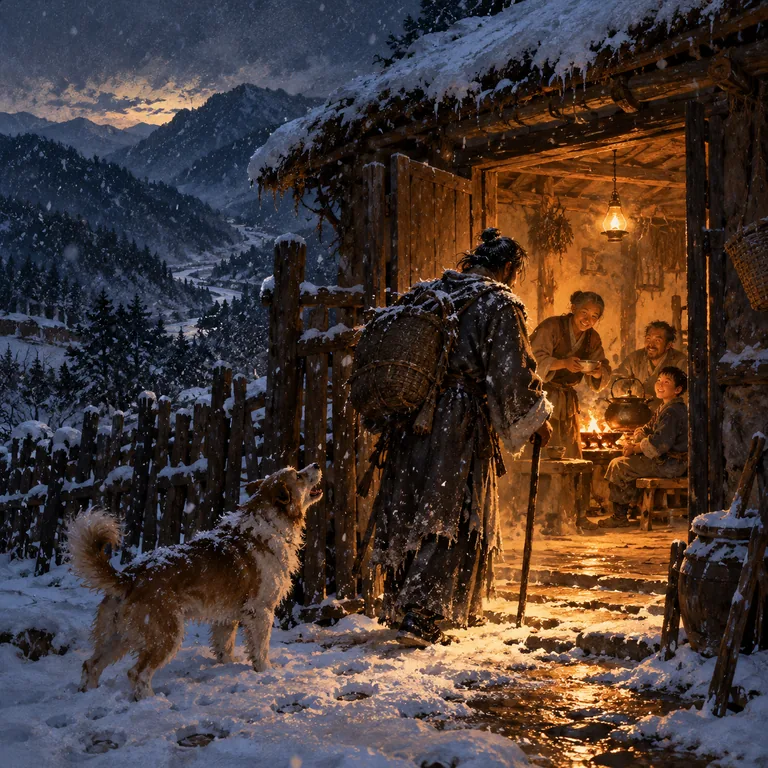
Inspired by Liu Changqing's 《逢雪宿芙蓉山主人》 (Taking Shelter from Snow with the Master of Furong Mountain). “日暮苍山远,天寒白屋贫;柴门闻犬吠,风雪夜归人。” (At dusk the dark mountains lie distant, in the cold a humble white-thatched house stands poor; a dog barks at the brushwood gate, someone returns through the wind and snow at night.) At dusk, a traveler seeks lodging in a mountain home, with barking at the brushwood gate and simple tea beside the hearth. At midnight, the latch sounds, and someone covered in snow pushes open the door. In the lamplight of the family's reunion, the lodger too grows teary-eyed. The next morning, the snow clears, and cooking smoke sees the traveler off. Male and female vocals sing the same lyrics.

Listen · Read lyrics →
Classical Chinese-style Ballad

A Wet Stain on My Blue Robe

Ku Wuji · AI Music

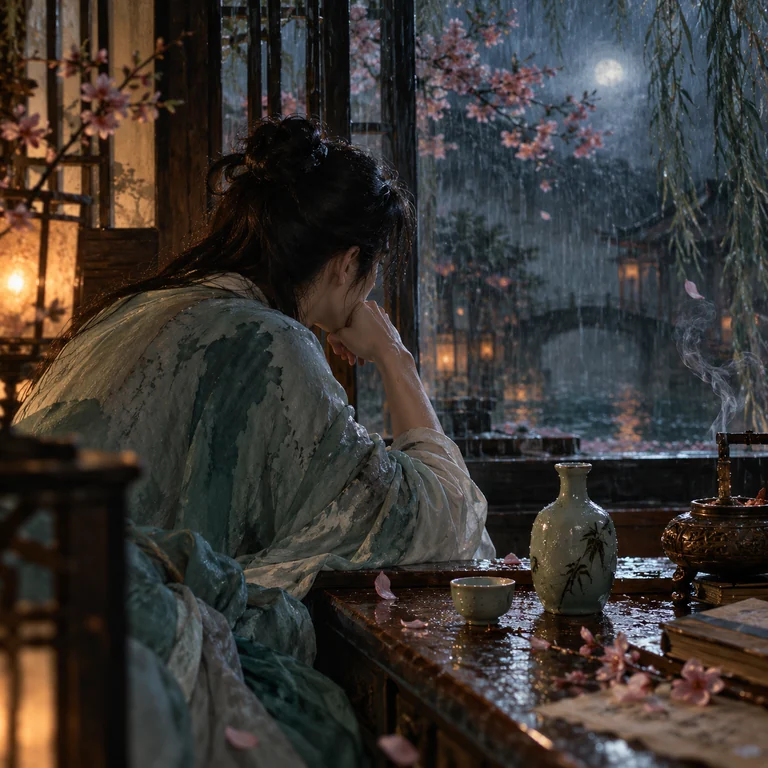
Drawn from Nalan Xingde's “Buddhist Dancers: In the New Chill, Tipsy as Rain Taps the Window.” “新寒中酒敲窗雨,残香细袅秋情绪;才道莫伤神,青衫湿一痕。” In the new chill, still tipsy, I hear rain tapping the window; lingering incense curls faintly through an autumn mood; I have barely said, do not grieve, when a tear stains my blue robe. “无聊成独卧,弹指韶光过;记得别伊时,桃花柳万丝。” Listless, I lie alone; in a finger snap, the lovely days pass; I remember parting from her, amid peach blossoms and countless willow strands. Waking from wine on an autumn night to listen to rain, the springtime farewell remains vivid, while the lovely season has changed in an instant. Male and female voices sing the same lyrics.

Listen · Read lyrics →
Classical Chinese-style Ballad

Slowly Unfolding Autumn Light

Ku Wuji · AI Music

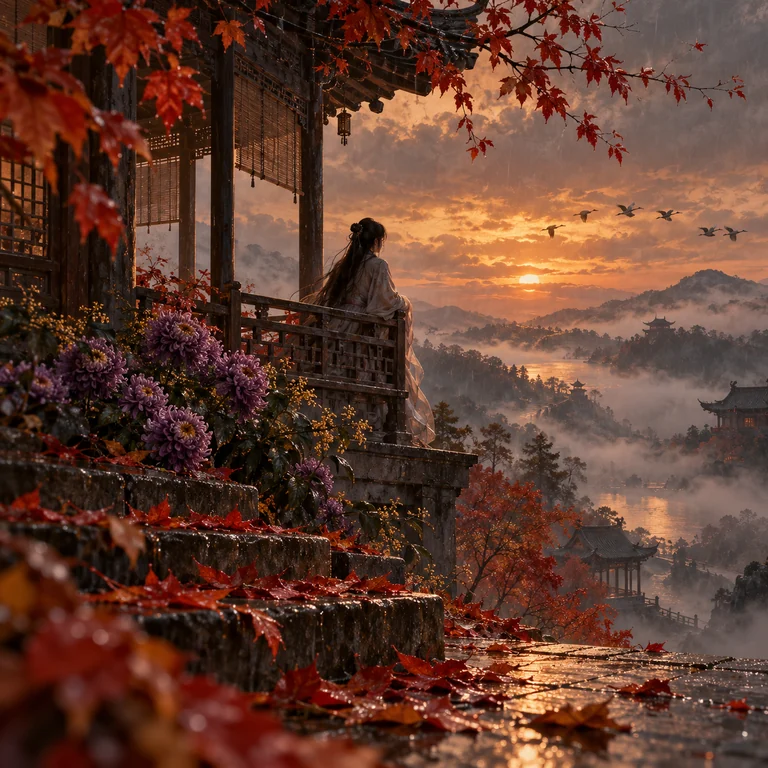
Inspired by Li Yu's “Xie Xin En · The Slowly Fading Autumn Light Cannot Be Held.” 冉冉秋光留不住,满阶红叶暮;又是过重阳,台榭登临处,茱萸香坠。紫菊气飘庭户,晚烟笼细雨;雍雍新雁咽寒声,愁恨年年长相似。 The slowly fading autumn light cannot be held, red leaves cover the steps at dusk; once again the Double Ninth Festival comes, where we climb terraces and pavilions, fragrant dogwood falls. The scent of purple chrysanthemums drifts through courtyard doors, evening mist shrouds fine rain; newly arrived geese call together, their cold cries choking, sorrow and regret remain much the same each year. Past and present meet in the Double Ninth custom of climbing to high places: autumn light, red leaves, dogwood, purple chrysanthemums, fine rain, newly arrived geese, and sorrow and regret that resemble themselves year after year. Male and female vocal versions use the same lyrics.

Listen · Read lyrics →
Classical Chinese-style Ballad

The Rustling Maple Grove

Ku Wuji · AI Music

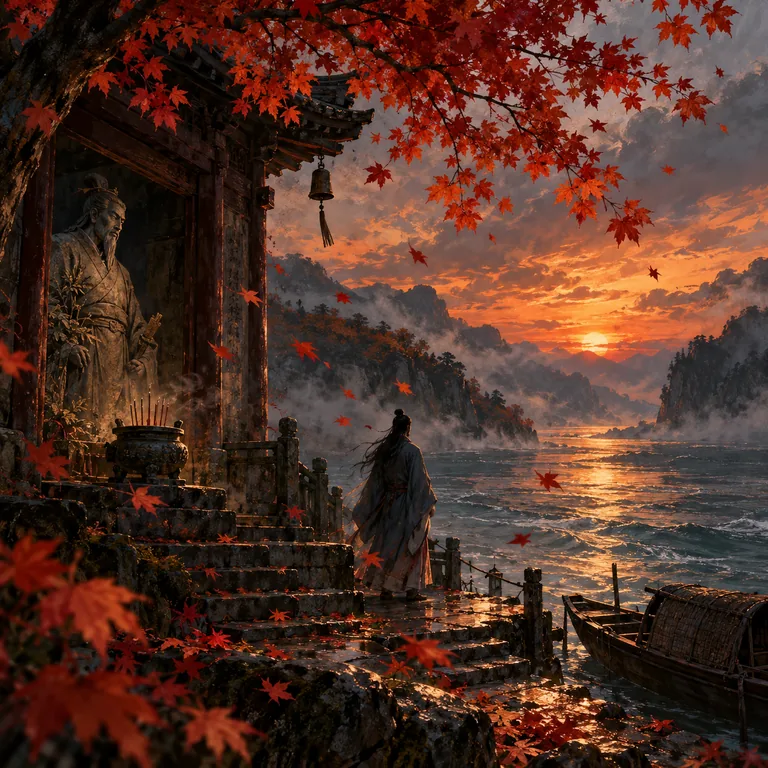
Inspired by Dai Shulun's “Passing the Sanlü Temple.” 沅湘流不尽,屈子怨何深;日暮秋风起,萧萧枫树林。 The Yuan and Xiang flow without end; how deep is Master Qu's sorrow. At dusk the autumn wind rises, rustling through the maple woods. A traveler moors a boat on the Miluo River and pays respects at the temple of the Sanlü Minister, Qu Yuan: fragrant herbs and a loyal soul, loyalty met with slander, and his plunge into the river holding a stone remain, a thousand years later, etched in the statue's brow and the wind through the maples. 路漫漫其修远兮 — The road is long and stretches far; the voice seeking above and below has still not fallen silent. Male and female vocal versions use the same lyrics.

Listen · Read lyrics →
Classical Chinese-style Ballad

Lady in Red Sleeves, Do Not Weep

Ku Wuji · AI Music

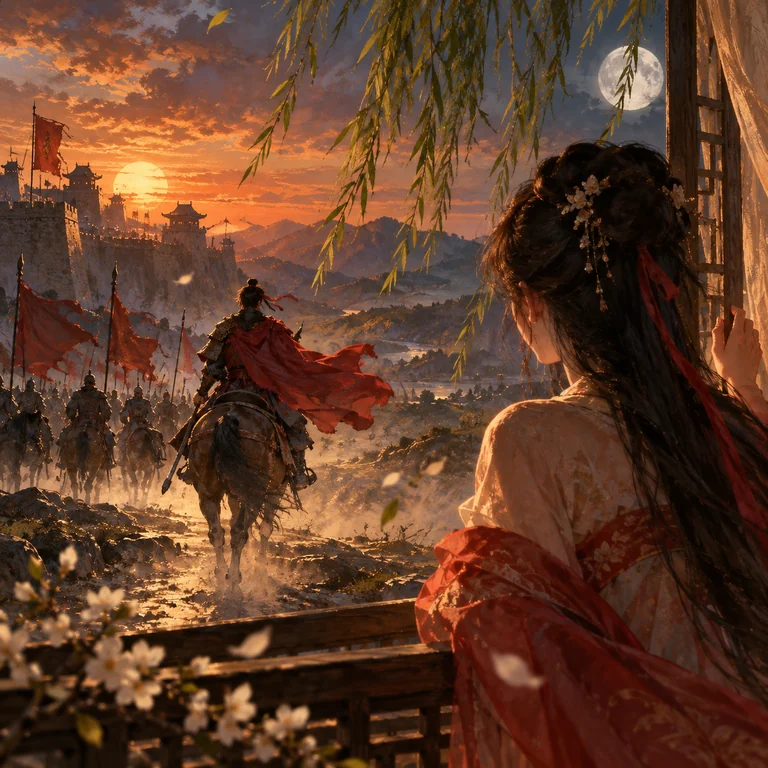
Inspired by Yuan Haowen's “River Moon over Layered Mountains · Written on First Arriving at Mount Song.” 塞上秋风鼓角,城头落日旌旗;少年鞍马适相宜,从军乐,莫问所从谁。侯骑才通蓟北,先声已动辽西;归期犹及柳依依,春闺月,红袖不须啼。 Autumn wind, drums and horns at the frontier, sunset and banners atop the city walls; youth and saddle suit each other well, joyful to join the army, ask not whom one follows. The scouting riders have only just reached northern Ji, yet their reputation already stirs western Liao; the return will still come while willows sway, beneath the moon in a spring chamber, the lady in red sleeves need not weep. A spirited yet tender song of a young person joining the army. Male and female vocal versions use the same lyrics.

Listen · Read lyrics →
Classical Chinese-style Ballad

Drawing a Sword to Sever Water

Ku Wuji · AI Music

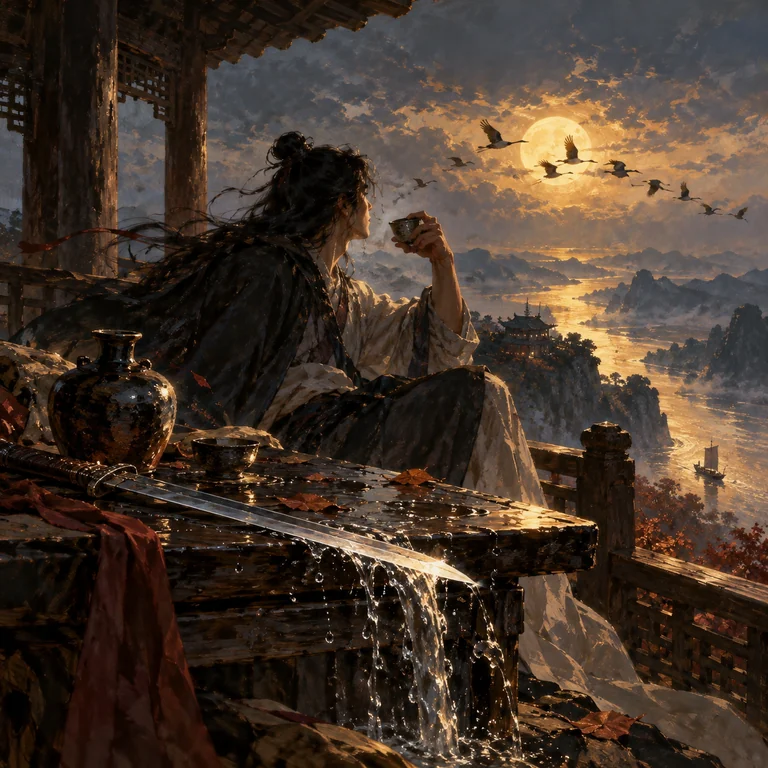
Inspired by Li Bai's 《宣州谢朓楼饯别校书叔云》 (A Farewell Feast for Uncle Yun, the Collator, at Xie Tiao Tower in Xuanzhou). 弃我去者昨日之日不可留,乱我心者今日之日多烦忧;长风万里送秋雁,对此可以酣高楼。蓬莱文章建安骨,中间小谢又清发;俱怀逸兴壮思飞,欲上青天览明月。抽刀断水水更流,举杯销愁愁更愁;人生在世不称意,明朝散发弄扁舟。 (Yesterday has abandoned me and cannot be kept; today troubles my heart with many cares. Long winds carry autumn geese ten thousand miles; before this scene we can drink deeply in the lofty tower. Your writings have the vigor of Jian'an, while mine have young Xie's fresh grace; both filled with soaring inspiration and grand thoughts, we long to ascend the blue sky and embrace the moon. Draw a blade to sever water, and it flows still more; raise a cup to dispel sorrow, and sorrow deepens. Life in this world fails to satisfy; tomorrow I will loosen my hair and drift in a little boat.) Male and female voices sing the same lyrics.

Listen · Read lyrics →

Classical Chinese-style Ballad

Towers Lost in Mist

Ku Wuji · AI Music

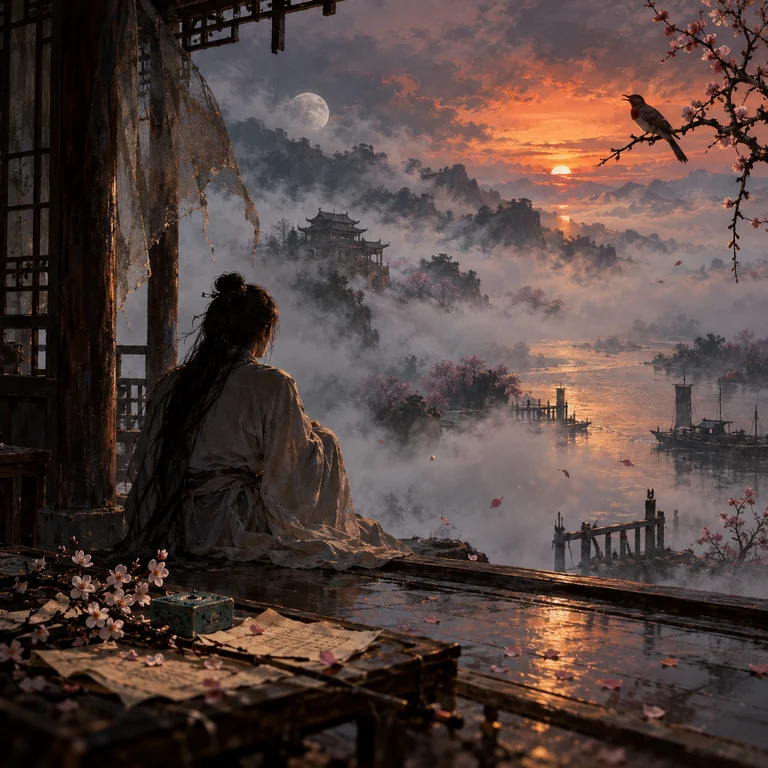
Inspired by Qin Guan's “Treading the Grass · A Traveler's Lodge in Chenzhou.” “雾失楼台,月迷津渡,桃源望断无寻处” — towers vanish in mist, the ferry crossing blurs in moonlight; I gaze in vain for the Peach Blossom Spring, with nowhere to find it. “可堪孤馆闭春寒,杜鹃声里斜阳暮” — how can I bear the lonely lodge shut against spring's cold, as sunset fades amid cuckoo cries? “驿寄梅花,鱼传尺素,砌成此恨无重数” — plum blossoms sent by courier and letters borne by fish build this sorrow in countless layers. “郴江幸自绕郴山,为谁流下潇湘去” — the Chen River could well have stayed winding around Mount Chen; for whom does it flow down toward the Xiao and Xiang? A night in which an exile gazes through mist in vain for the road home and the Peach Blossom Spring. Male and female voices sing the same lyrics.

Listen · Read lyrics →
Classical Chinese-style Ballad

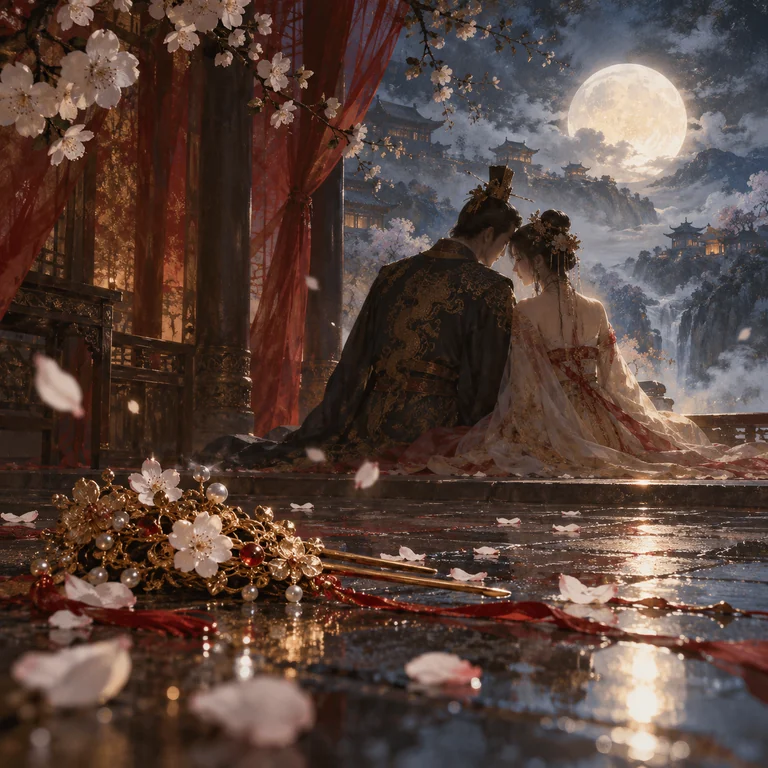
The Setting Moon Stirs the Heart

Ku Wuji · AI Music

Drawn from Zhang Ruoxu’s “春江花月夜” (A Moonlit Night of Flowers on the Spring River). “春江潮水连海平,海上明月共潮生;滟滟随波千万里,何处春江无月明。” The spring river’s tide meets the level sea, and the bright moon rises with the tide; its shimmering light follows the waves for countless miles—where on the spring river does the moon not shine? “江天一色无纤尘,皎皎空中孤月轮——江畔何人初见月,江月何年初照人?” River and sky share one color, without a speck of dust, a lone bright moon suspended above—who first saw the moon beside this river, and in what year did the river moon first shine upon a person? “人生代代无穷已,江月年年只相似。” Human generations follow one another without end, while the river moon looks much the same year after year. The traveler in a little boat and the one in the moonlit tower gaze toward each other from afar, wishing to follow the flowing moonlight to shine upon the beloved; spring is half gone, yet the traveler has not returned, and the setting moon stirs longing through the trees along the river. Male and female vocals sing the same lyrics.

Listen · Read lyrics →
Classical Chinese-style Ballad

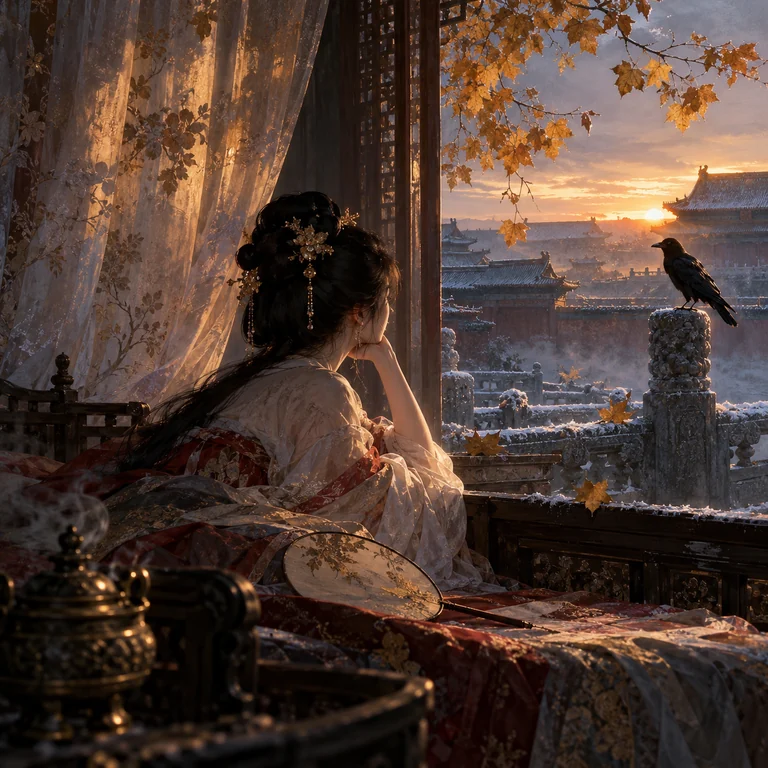
Longing Deep in the Bones

Ku Wuji · AI Music

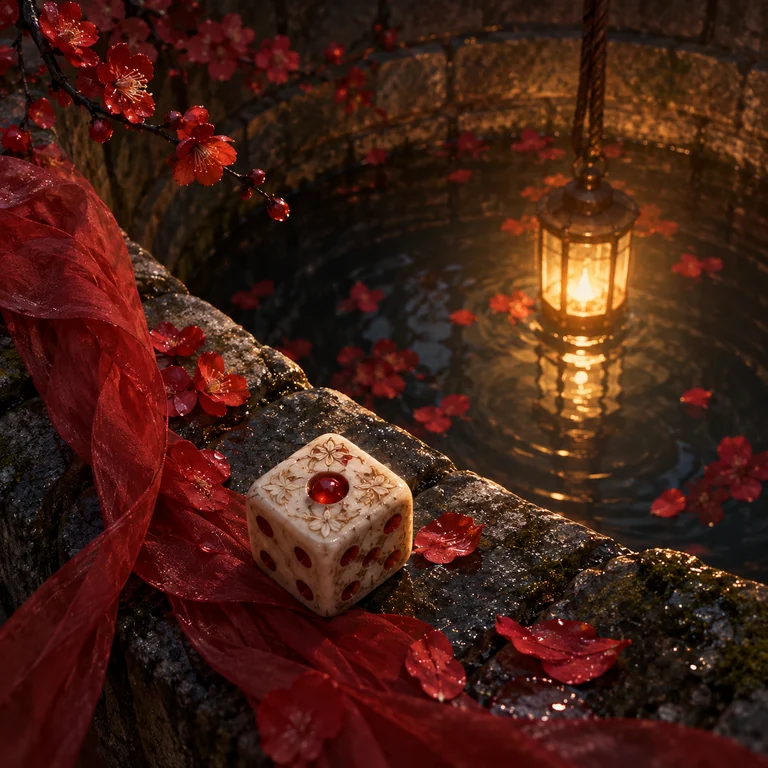
Inspired by Wen Tingyun's two poems “Newly Added Melodies to Willow Branches.” 一尺深红胜曲尘,旧物不如新;合欢桃核掰开看,里许元来别有人。井底点灯深嘱伊,共郎长行莫违期;玲珑骰子嵌红豆,入骨相思知不知。 A foot of deep-red silk surpasses pale yellow-green, old things are not as good as new; split open a love-union peach stone and see, inside there is another kernel—another beloved. Light a lamp at the bottom of the well, and earnestly urge you; on your long journey, dear one, do not miss the promised return. Delicate dice are inlaid with red beans, do you know this longing that reaches into the bones? A love song that sings punning riddles deep into the bones. Male and female vocal versions use the same lyrics.

Listen · Read lyrics →
Classical Chinese-style Ballad

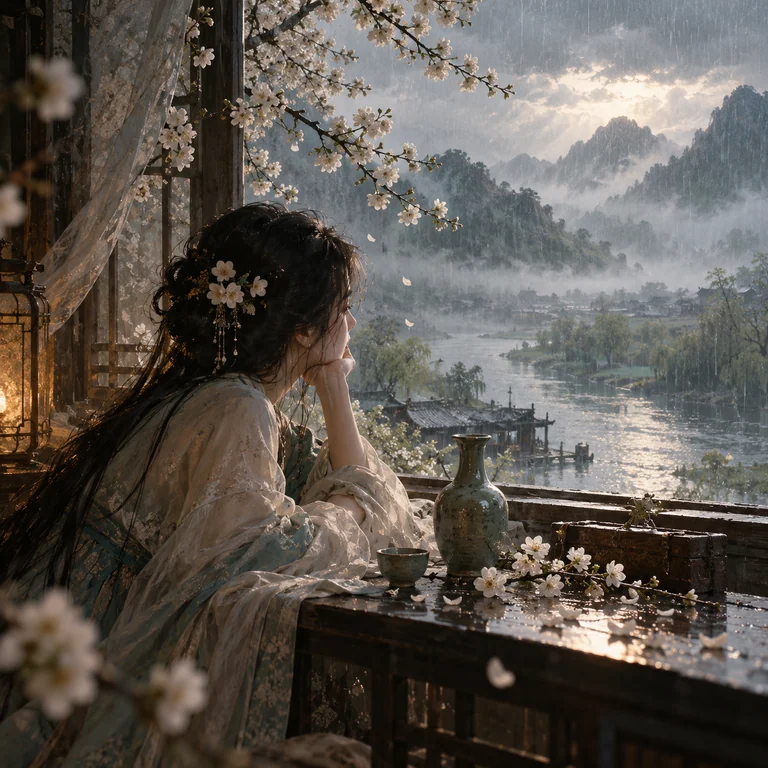
This Sorrow Endures

Ku Wuji · AI Music

Inspired by Bai Juyi's “长恨歌” (Song of Everlasting Sorrow). “杨家有女初长成,回眸一笑百媚生” — a daughter of the Yang family has just come of age; one backward glance and smile reveal a hundred charms; “春寒赐浴华清池,三千宠爱在一身” — in the spring chill she is granted a bath at Huaqing Pool, and the favor bestowed on three thousand is hers alone. “渔阳鼙鼓惊破霓裳,宛转蛾眉马前死” — the war drums of Yuyang shatter the Rainbow Skirt dance, and the graceful beauty dies before the horses; “蜀江蜀山朝暮情,孤灯挑尽未成眠” — amid the rivers and mountains of Shu, longing fills morning and evening; the wick of a lone lamp is trimmed to its end, yet sleep will not come. “方士上穷碧落下黄泉,海上仙山见太真,梨花一枝春带雨” — a Daoist adept searches the heavens above and the underworld below, finding Taizhen on an immortal mountain at sea, like a branch of pear blossom wet with spring rain; “钿合金钗寄深情,七月七日长生殿,在天比翼在地连理” — an inlaid box and golden hairpin convey deep devotion: on the seventh day of the seventh month in the Hall of Long Life, they vow to be birds flying wing to wing in heaven and entwined branches on earth — “天长地久有时尽,此恨绵绵无绝期” — even enduring heaven and earth will someday end, but this sorrow stretches on without end. Male and female vocals sing the same lyrics.

Listen · Read lyrics →
Classical Chinese-style Ballad

Crow Shadows at Zhaoyang Palace

Ku Wuji · AI Music

Inspired by Wang Changling's five poems, “Lament of Changxin Palace.” 金井梧桐秋叶黄,珠帘不卷夜来霜;熏笼玉枕无颜色,卧听南宫清漏长。奉帚平明金殿开,暂将团扇共徘徊;玉颜不及寒鸦色,犹带昭阳日影来。By the ornate well, the parasol tree's autumn leaves turn yellow; the pearl curtain stays lowered as night frost falls. The incense brazier and jade pillow lose their luster; lying awake, she hears the southern palace's clear water clock mark the long night. Broom in hand at dawn, as the golden palace opens, she wanders awhile with her round fan. Her jade-like beauty is less favored than a jackdaw's dark plumage, which still brings sunlight from Zhaoyang Palace. Changxin's autumn moon faces the sound of clothes being beaten at Zhaoyang: one night and a lifetime of a palace woman who has lost favor. Male and female vocals sing the same lyrics.

Listen · Read lyrics →

Classical Chinese-style Ballad

So Hard to See You

Ku Wuji · AI Music

Inspired by Zhu Shuzhen's “To the Tune of Jiangchengzi: Enjoying Spring.” 斜风细雨作春寒,对尊前忆前欢;曾把梨花,寂寞泪阑干;芳草断烟南浦路,和别泪看青山。昨宵梦入水云间,悄无言;争奈醒来愁恨依然,展转衾裯空懊恼——天易见,见伊难。 Slanting wind and fine rain bring spring's chill; before my wine cup, I recall past joys. Once, holding pear blossoms, I wept lonely, streaming tears; along the Southern Shore road, amid fragrant grass and broken wisps of mist, I gazed at green mountains through parting tears. Last night I dreamed into a realm of water and clouds, silent and still; yet on waking, sorrow and regret remained, and I tossed beneath the covers in helpless anguish—the sky is easy to see, but seeing my beloved is hard. Male and female voices sing the same lyrics.

Listen · Read lyrics →

Choose your theme

Your theme applies across the site.