Search CooLWJ

选择搜索范围,输入关键词后按回车。

Language

Poems echo · Stories find a melody

Poetry, set to song

Begin with a poem and meet it again in music. Listen, read the poem and explore the stories it inspires.

Music library 233 songs

Classical Chinese-style Ballad

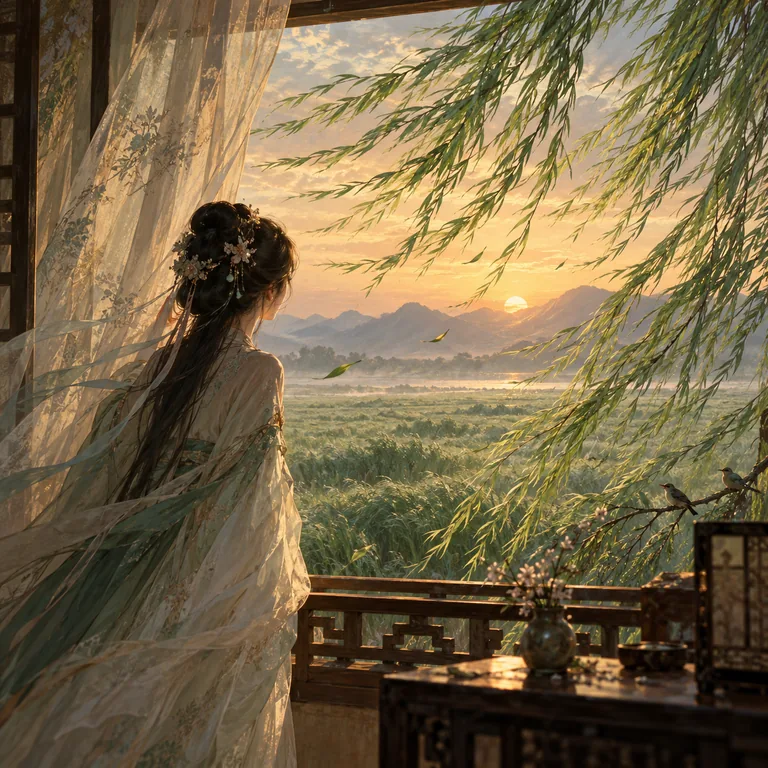
The Willow's Longing Leans West

Ku Wuji · AI Music

Inspired by Liu Fangping’s Spring Lament on Her Behalf. 朝日残莺伴妾啼,开帘只见草萋萋;庭前时有东风入,杨柳千条尽向西。 In the morning sun, the last orioles weep with me; I lift the curtain and see only luxuriant grass. From time to time the east wind enters the courtyard, and all the willow’s thousand branches bend west. A morning at spring’s end: the lingering orioles cry with someone left alone, while fragrant grass stretching to the horizon cannot call the wanderer home; gust after gust of east wind enters the courtyard, and a thousand willow branches bend together toward the west—as though by agreement, pointing for her toward the place where he is. Male and female voices sing the same lyrics.

Listen · Read lyrics →
Classical Chinese-style Ballad

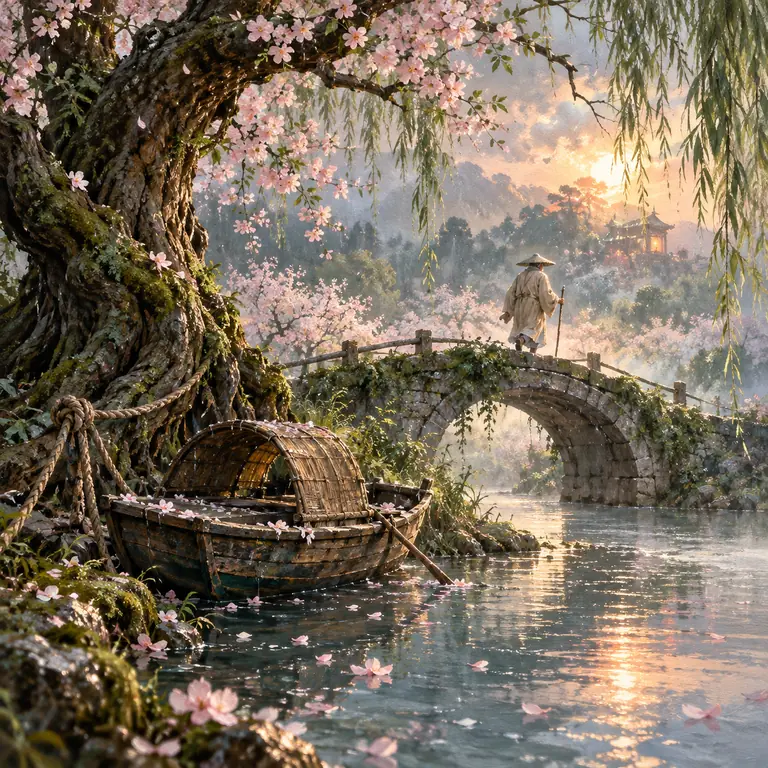
Willow Breeze

Ku Wuji · AI Music

Inspired by Zhinan's “Quatrain: Beneath an Ancient Tree's Shade, I Moor My Little Boat.” 古木阴中系短篷,杖藜扶我过桥东;沾衣欲湿杏花雨,吹面不寒杨柳风。 Beneath an ancient tree's shade, I moor my little boat; my goosefoot staff supports me across the bridge to the east. Apricot-blossom rain brushes my clothes, almost wetting them; willow wind touches my face without a chill. The old monk ties his little boat in the ancient tree's shade and walks east across the bridge with his staff: the apricot-blossom rain nearly wets his clothes, while the willow wind caresses his face without a chill—as though he were a child again. Male and female voices sing the same lyrics.

Listen · Read lyrics →
Classical Chinese-style Ballad

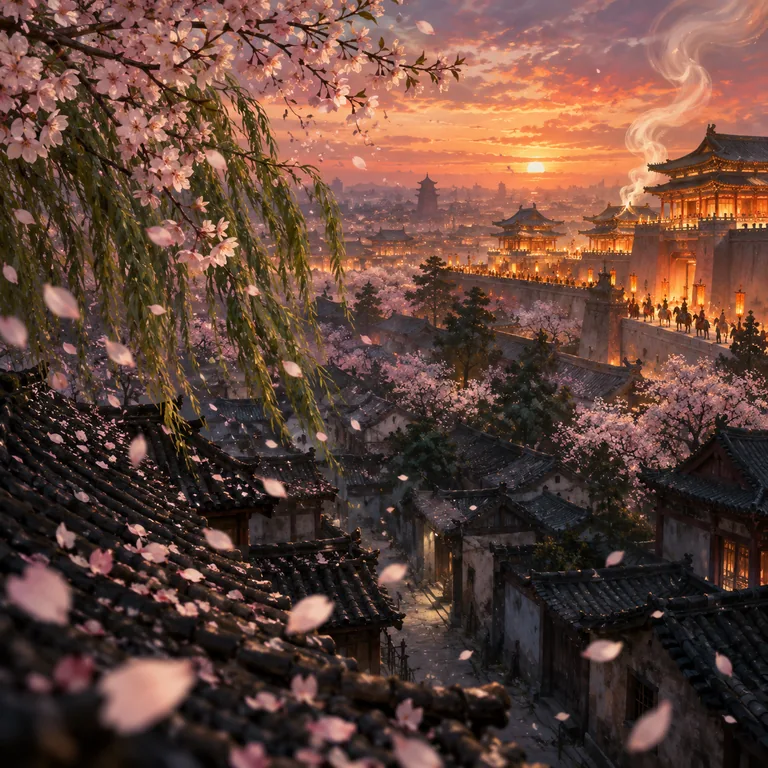
Blossoms Drift through the Spring City

Ku Wuji · AI Music

Inspired by Han Hong's “Cold Food Festival.” 春城无处不飞花,寒食东风御柳斜;日暮汉宫传蜡烛,轻烟散入五侯家。 Blossoms fly everywhere in the spring city; at the Cold Food Festival, the east wind bends the imperial willows. At dusk, candles are passed out from the Han palace, and thin smoke drifts into the homes of the five favored lords. In Chang'an, where fires are forbidden during the Cold Food Festival: blossoms fill the city, and imperial willows sway in the east wind. At dusk the palace sends out gifts of candles, their faint smoke drifting only into the grand mansions of the five favored lords, while ordinary lanes have cold stoves and dark roof tiles—in the spring wind's eyes, grand vermilion gates and humble brushwood gates are alike. Male and female vocal versions use the same lyrics.

Listen · Read lyrics →
Classical Chinese-style Ballad

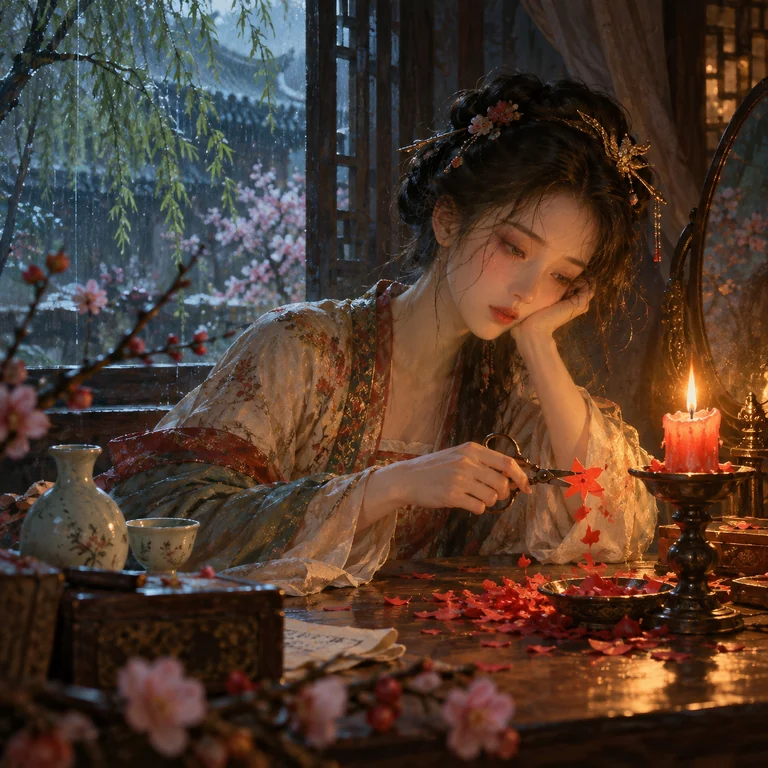
Trimming the Lampwick

Ku Wuji · AI Music

Drawn from Li Qingzhao’s 《蝶恋花·暖雨晴风初破冻》 (Butterflies in Love with Flowers: Warm Rain and Fair-Weather Breezes First Thaw the Ice). 暖雨晴风初破冻,柳眼梅腮,已觉春心动;酒意诗情谁与共,泪融残粉花钿重。乍试夹衫金缕缝,山枕斜欹,枕损钗头凤;独抱浓愁无好梦,夜阑犹剪灯花弄。 Warm rain and fair-weather breezes first thaw the ice, willow buds like eyes and plum blossoms like cheeks already stir the heart with spring; with whom can I share the mood for wine and poetry, tears melt my remaining powder and my floral ornament weighs heavy. I try on a lined robe newly sewn with golden thread, leaning against a mountain-shaped pillow, pressing the phoenix on my hairpin askew; alone with deep sorrow and no sweet dreams, late into the night I still trim and toy with the lamp’s charred wick. Spring arrives first, but there is no one to share it with—after a whole night trimming the wick, the heart’s troubles are still wintering. Male and female voices sing the same lyrics.

Listen · Read lyrics →

Classical Chinese-style Ballad

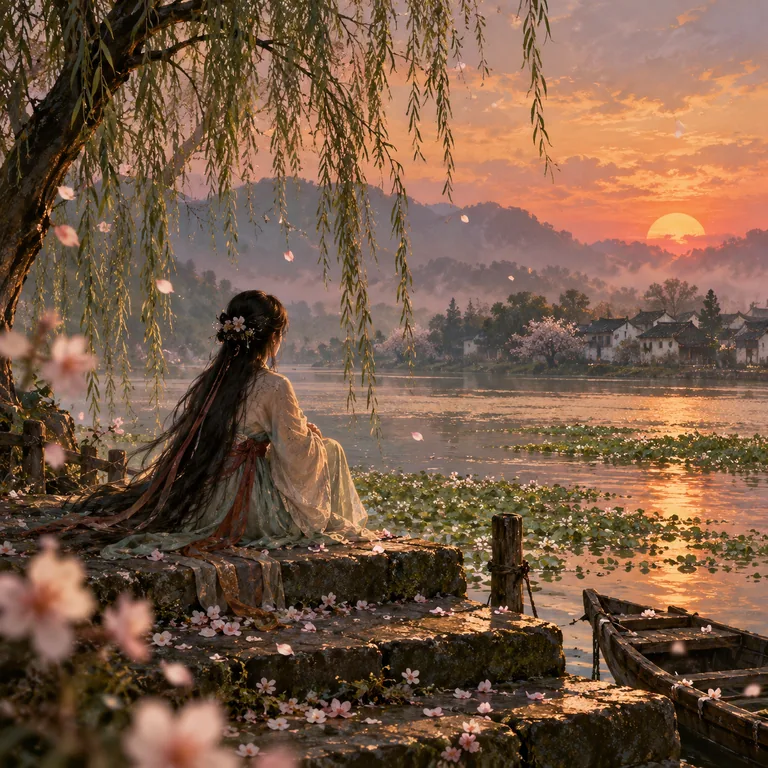
Spring's End on the River Islet

Ku Wuji · AI Music

Inspired by Kou Zhun's “江南春·波渺渺” (Spring in Jiangnan: Vast Rippling Waters). “波渺渺,柳依依;孤村芳草远,斜日杏花飞。江南春尽离肠断,苹满汀洲人未归。” — Waters stretch into the distance, willows sway softly; fragrant grass extends beyond a lonely village, apricot blossoms fly in the slanting sun. Spring ends in Jiangnan and separation breaks the heart; water clover fills the river islets, yet the one awaited has not returned. On Jiangnan's shores as spring ends: misty waters and willow shadows, a lonely village and fragrant grass, apricot blossoms in the slanting sun. The waiting one gazes at the bluestone paving until it seems to shine, while water clover greens the islets year after year. Male and female vocals sing the same lyrics.

Listen · Read lyrics →

Classical Chinese-style Ballad

The Face of the Sky, the Colors of the Sea

Ku Wuji · AI Music

Drawn from Su Shi's “Crossing the Sea on the Night of the Twentieth Day of the Sixth Month.” 参横斗转欲三更,苦雨终风也解晴;云散月明谁点缀,天容海色本澄清。空余鲁叟乘桴意,粗识轩辕奏乐声;九死南荒吾不恨,兹游奇绝冠平生。 Orion lies across the sky and the Dipper turns as midnight nears, relentless rain and wind at last give way to clear skies; clouds scatter and the moon shines—who has adorned them? Sky and sea were clear all along. Only the old sage of Lu's wish to sail a raft remains, and I faintly recognize the music of Xuanyuan; though I faced death time and again in the southern wilderness, I bear no regret, for this wondrous journey surpasses all others in my life. The clarity and openheartedness of a night crossing the sea northward: storms finally clear, sea and sky are clear by nature, brushes with death bring no regret, and this journey surpasses all others in a lifetime. Male and female vocals sing the same lyrics.

Listen · Read lyrics →
Classical Chinese-style Ballad

能不忆江南 — How Could I Not Long for Jiangnan

Ku Wuji · AI Music

Inspired by Bai Juyi's “Remembering Jiangnan · Fair Is Jiangnan.” 江南好,风景旧曾谙;日出江花红胜火,春来江水绿如蓝。能不忆江南? Fair is Jiangnan, its scenery once so familiar; at sunrise the riverside blossoms glow redder than fire, and in spring the river turns green as indigo plants. How could I not remember Jiangnan? The spring waters are green as though dyed with indigo plants, and riverside blossoms glow redder than flames. Years after leaving, all of youth still lies spread across that water. Male and female vocal versions use the same lyrics.

Listen · Read lyrics →
Classical Chinese-style Ballad

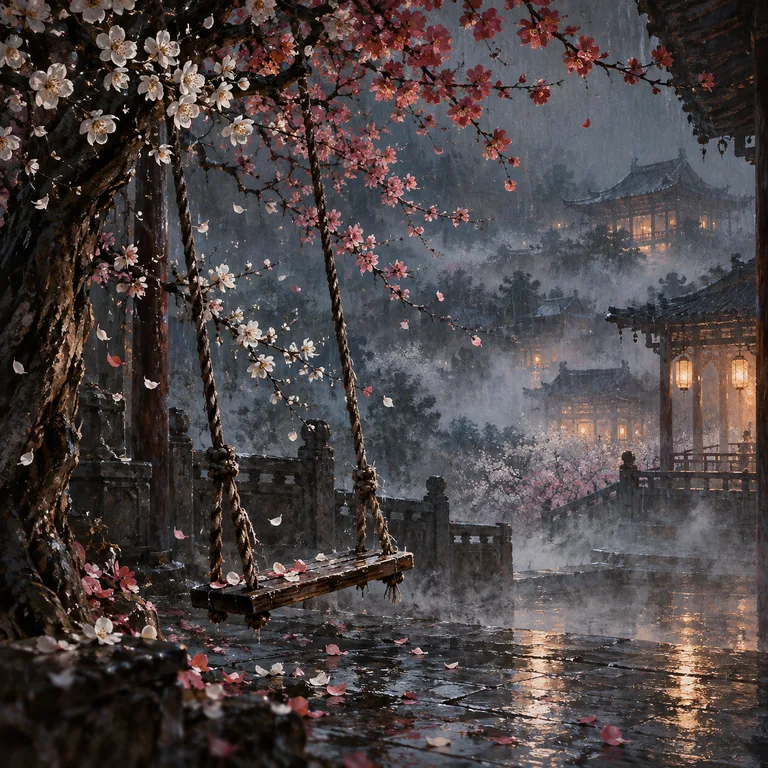
A Swing in Misty Rain

Ku Wuji · AI Music

Drawn from Han Wo's “Late at Night / Cold Food Festival Night.” 恻恻轻寒翦翦风,小梅飘雪杏花红;夜深斜搭秋千索,楼阁朦胧烟雨中。A faint chill pierces, the wind cuts softly, small plum blossoms drift like snow and apricot blossoms glow red; deep in the night, the swing's ropes hang askew, towers and pavilions hazy in misty rain. A spring night during the Cold Food Festival: a slight chill and cutting wind, white plum blossoms and red apricot flowers, an empty swing hanging askew, the person who swung there last year gone to places unknown, and towers and pavilions slowly blurring in the misty rain. Male and female voices sing the same lyrics.

Listen · Read lyrics →
Classical Chinese-style Ballad

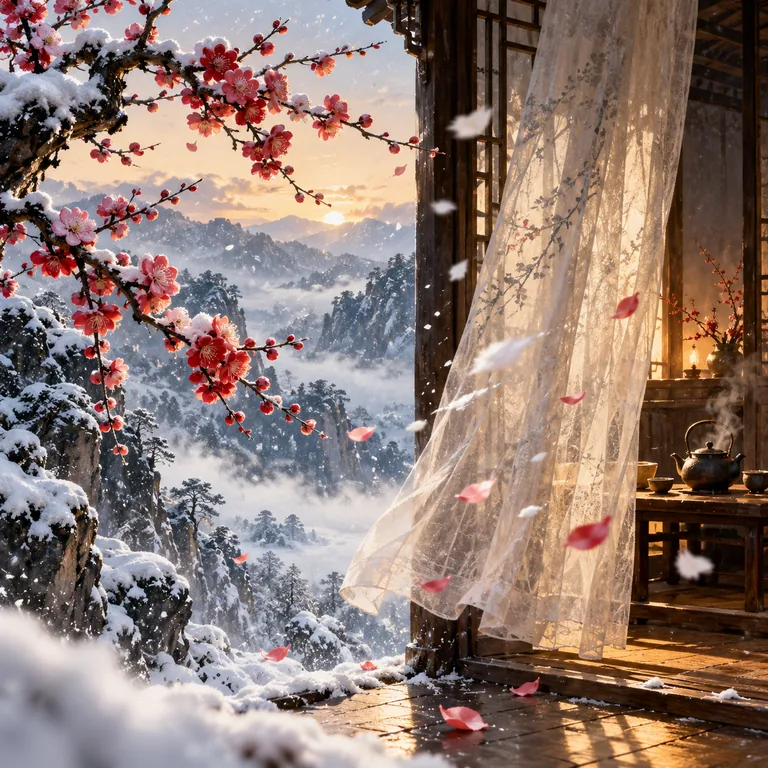
Plum Blossoms and Snow, Pure Together

Ku Wuji · AI Music

Inspired by Wang Xu’s “踏莎行·雪中看梅花” (Treading the Grass: Viewing Plum Blossoms in Snow). “两种风流,一家制作;雪花全似梅花萼。细看不是雪无香,天风吹得香零落。虽是一般,惟高一着;雪花不似梅花薄。梅花散彩向空山,雪花随意穿帘幕。” Two kinds of grace, fashioned by one maker; snowflakes look just like plum blossoms. Look closely: it is not that snow lacks fragrance, but that the wind has scattered it. Though alike, one has the advantage; snowflakes are less delicate than plum blossoms. Plum blossoms spread their colors toward empty mountains, while snowflakes pass freely through curtains. The comparison ends with each finding its place: one scatters its splendor into the empty mountains, the other drifts freely through curtains to glimpse everyday human life. Male and female vocal versions use the same lyrics.

Listen · Read lyrics →
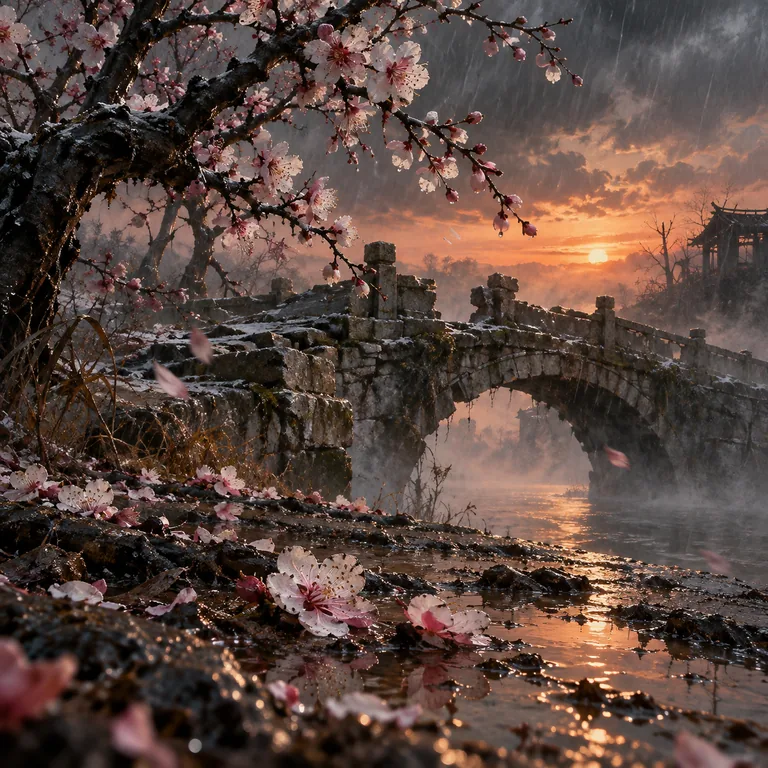
Classical Chinese-style Ballad

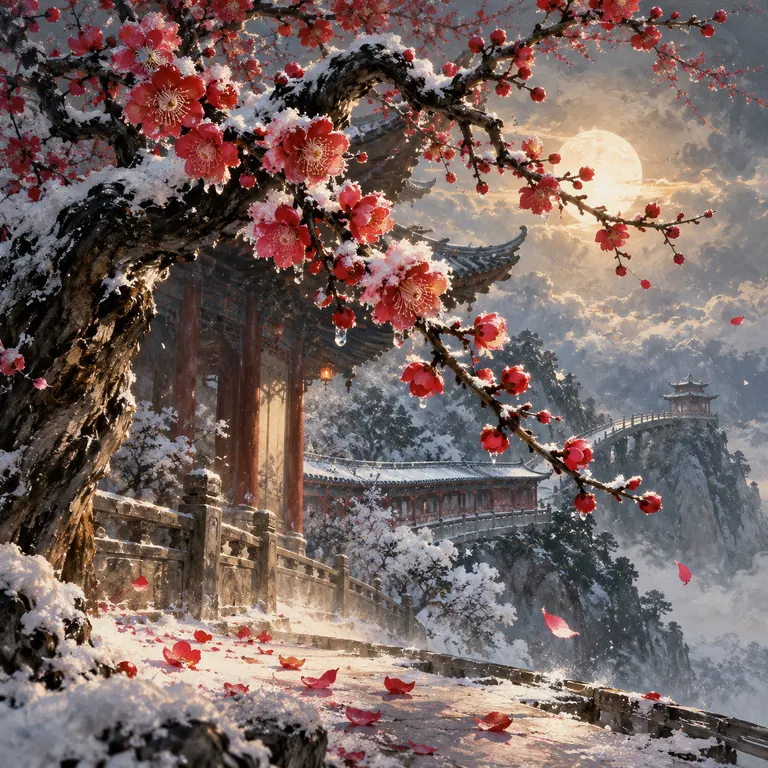
Coming Deliberately with Early Spring

Ku Wuji · AI Music

Inspired by He Xun's “Ode to Early Plum Blossoms.” 兔园标物序,惊时最是梅;衔霜当路发,映雪拟寒开。枝横却月观,花绕凌风台;朝洒长门泣,夕驻临邛杯。应知早飘落,故逐上春来。 In Rabbit Garden, plants mark the seasons; plum blossoms most startle us into noticing time. Bearing frost, they bloom beside the path, facing snow as though opening to the cold. Branches stretch across Queyue Pavilion, blossoms encircle Lingfeng Terrace; at morning they shed Changmen's tears, at evening they linger by Linqiong's cup. Knowing they will fall early, they deliberately arrive with the earliest spring. Knowing full well it blooms early and falls early, it insists on arriving before early spring—a pioneer song of the early plum. Male and female vocal versions share the same lyrics.

Listen · Read lyrics →
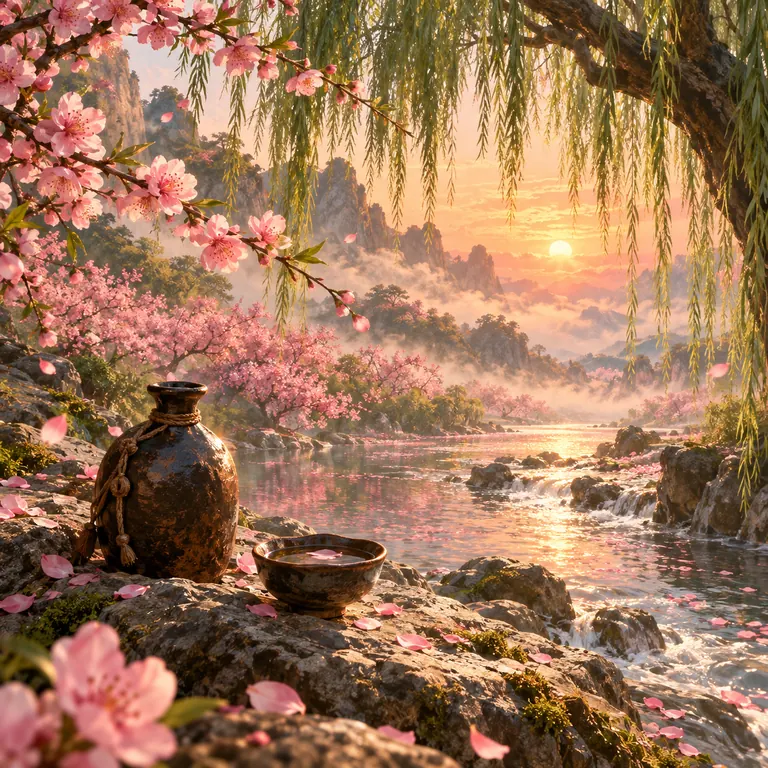
Classical Chinese-style Ballad

香如故 — Fragrant as Ever

Ku Wuji · AI Music

Draws on Lu You's “To the Tune of Busuanzi · In Praise of Plum Blossoms.” 驿外断桥边,寂寞开无主;已是黄昏独自愁,更著风和雨。无意苦争春,一任群芳妒;零落成泥碾作尘,只有香如故。 Beside a broken bridge outside the post station, they bloom in solitude, with no one to tend them; already grieving alone at dusk, they face wind and rain as well. They have no wish to vie for spring, leaving all other flowers to their envy; fallen into mud and ground to dust, their fragrance alone remains unchanged. The untended plum blossoms beside the broken bridge neither vie for spring nor fear envy. Even fallen into mud and ground to dust, their fragrance remains as before. Male and female vocals sing the same lyrics.

Listen · Read lyrics →

Classical Chinese-style Ballad

Mountain Haze over Peach Blossom Creek

Ku Wuji · AI Music

Inspired by Jiang Yu’s “Huanxisha: Mountains Drip with Misty Light, Water Laps the Banks.” 山滴岚光水拍堤,草香沙暖净无泥,只疑误入武林溪;两岸桃花烘日出,四围高柳到天垂,一尊心事百年期。 Mountains drip with misty light and water laps the banks; the grass is fragrant, the sand warm and clean of mud, and I wonder whether I have strayed into Wulin Stream; peach blossoms on both banks warm the rising sun, tall willows all around reach where the sky hangs low, and a cup of wine holds a lifetime’s thoughts and hopes. Traveling along the stream feels like entering Peach Blossom Spring: peach blossoms warm the sun and tall willows reach the sky; pour a cup of wine and tell the mountains and waters the thoughts of a lifetime. Male and female vocals sing the same lyrics.

Listen · Read lyrics →

Choose your theme

Your theme applies across the site.