Search CooLWJ

选择搜索范围,输入关键词后按回车。

Language

Poems echo · Stories find a melody

Poetry, set to song

Begin with a poem and meet it again in music. Listen, read the poem and explore the stories it inspires.

Music library 233 songs

Classical Chinese-style Ballad

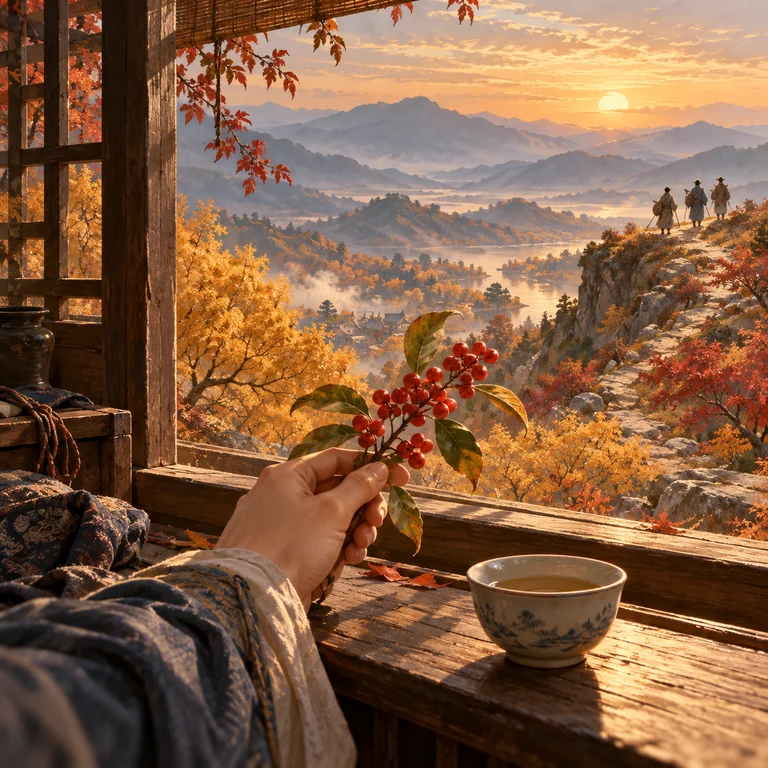
Distant Longing with Dogwood

Ku Wuji · AI Music

Inspired by Wang Wei's 《九月九日忆山东兄弟》 (Remembering My Brothers East of the Mountains on the Ninth Day of the Ninth Month). 独在异乡为异客,每逢佳节倍思亲;遥知兄弟登高处,遍插茱萸少一人。 (Alone in a strange land, a stranger, I miss my family all the more at every festival; from afar I know my brothers are climbing the heights, wearing dogwood sprigs, with one person missing.) Seventeen-year-old Wang Wei is alone in Chang'an, missing his brothers back home on the Double Ninth Festival: they climb the heights and wear dogwood sprigs, and I am the one missing from their company. Male and female voices sing the same lyrics.

Listen · Read lyrics →
Classical Chinese-style Ballad

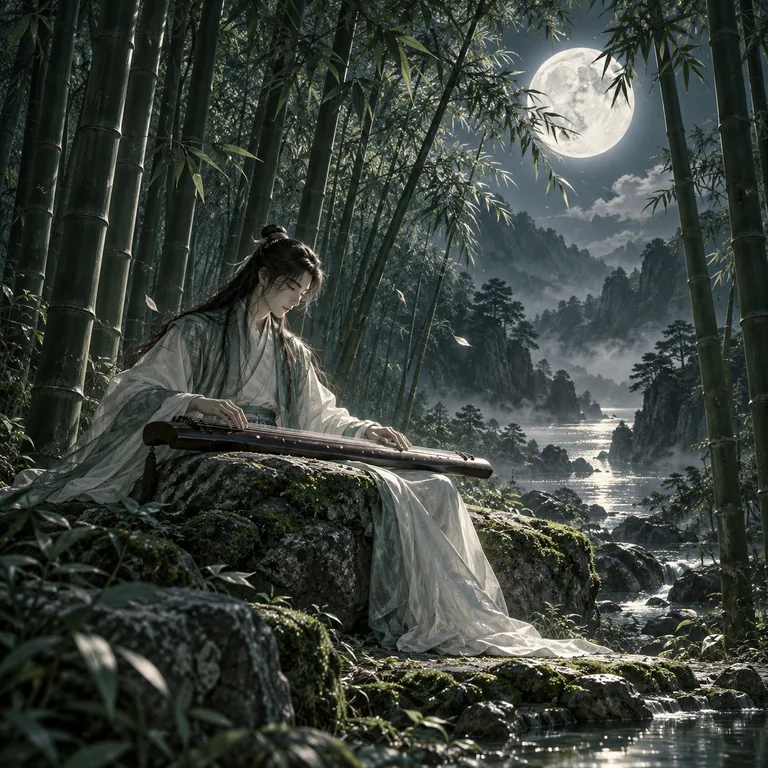
The Bright Moon Comes to Shine on Me

Ku Wuji · AI Music

Drawn from Wang Wei's “Bamboo Lodge.” “独坐幽篁里,弹琴复长啸;深林人不知,明月来相照。” Sitting alone in a secluded bamboo grove, I play the qin and whistle long; deep in the bamboo, no one knows I am here, and only the bright moon comes to shine on me. Male and female vocals sing the same lyrics.

Listen · Read lyrics →
Classical Chinese-style Ballad

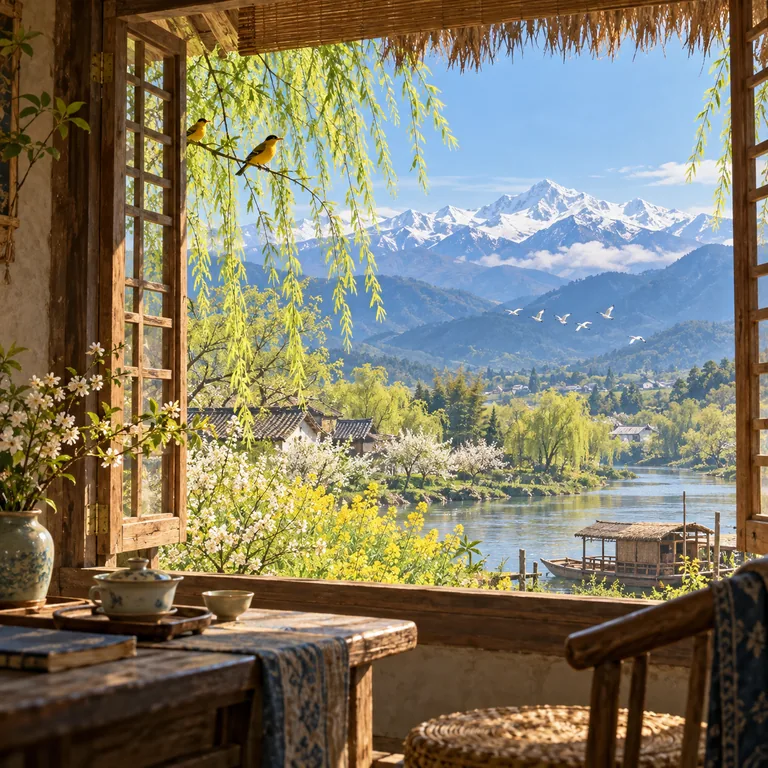
A Windowful of Thousand-Year Snow

Ku Wuji · AI Music

Drawn from Du Fu’s “Quatrain.” 两个黄鹂鸣翠柳,一行白鹭上青天;窗含西岭千秋雪,门泊东吴万里船。 (“Two orioles sing among emerald willows, a line of white egrets ascends the blue sky; the window frames the Western Ridges’ age-old snow, boats bound ten thousand miles for Eastern Wu lie moored by the door.”) A spring morning at the thatched cottage: orioles sing among emerald willows, egrets rise into the blue sky, the window frames the Western Ridges with their thousand-year snow, and boats bound on a long journey to Eastern Wu lie moored outside. Male and female voices sing the same lyrics.

Listen · Read lyrics →
Classical Chinese-style Ballad

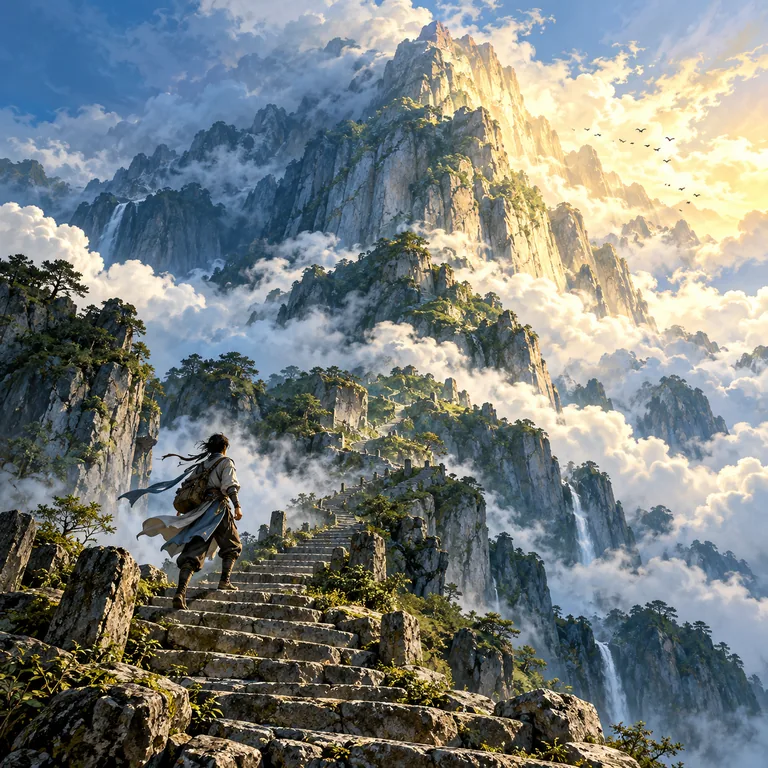
岱宗青未了 — Mount Tai's Endless Green

Ku Wuji · AI Music

Inspired by Du Fu's “Gazing at Mount Tai.” 岱宗夫如何?齐鲁青未了。造化钟神秀,阴阳割昏晓。荡胸生曾云,决眦入归鸟。会当凌绝顶,一览众山小。 What is the revered Mount Tai like? Its green stretches endlessly across Qi and Lu. Nature gathers its divine beauty here; its shaded and sunlit sides divide dusk from dawn. Rising clouds stir the breast; eyes strain to follow returning birds. One day I shall ascend the highest peak and see all other mountains dwarfed below. The young Du Fu gazes toward Mount Tai, the Eastern Sacred Mountain: green extends beyond sight across the lands of Qi and Lu; nature gathers its divine beauty here, and the mountain's southern and northern slopes divide dawn from dusk. Layered clouds stir his breast, returning birds enter his gaze, and he resolves to climb the highest summit one day and see all other mountains small below him. Male and female vocal versions use the same lyrics.

Listen · Read lyrics →
Classical Chinese-style Ballad

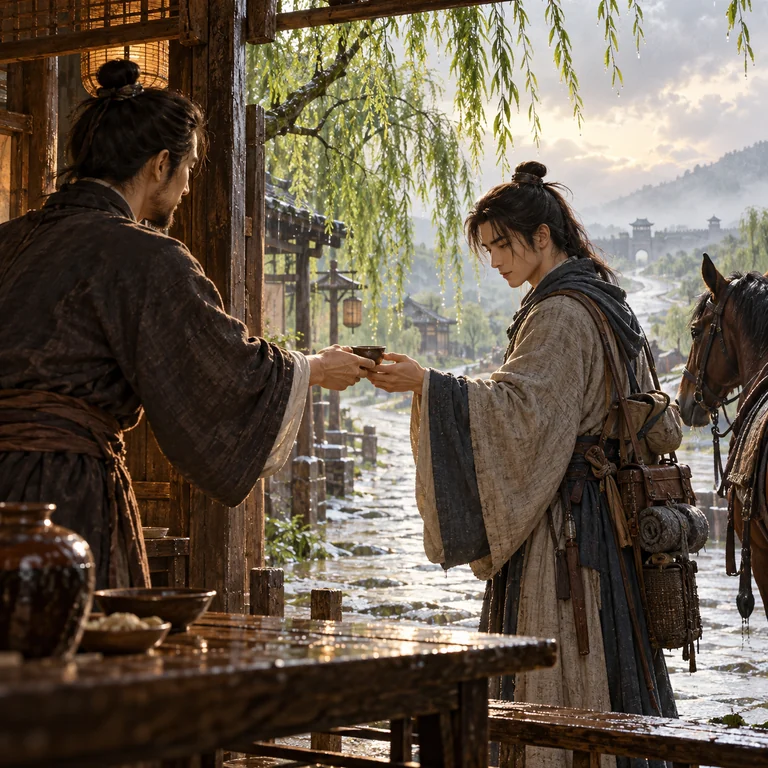
Parting at Yangguan

Ku Wuji · AI Music

Drawn from Wang Wei's “Seeing Yuan Er Off on His Mission to Anxi.” 渭城朝雨浥轻尘,客舍青青柳色新;劝君更尽一杯酒,西出阳关无故人。 Morning rain in Weicheng dampens the light dust, the inn is green amid fresh willow leaves; I urge you to drain another cup of wine, for west beyond Yang Pass there will be no old friends. On a morning when rain has washed Weicheng's dust and the willows by the inn are fresh and green, a friend is urged to drink one more cup—beyond Yang Pass, there will be no old friends. Male and female vocals sing the same lyrics.

Listen · Read lyrics →
Classical Chinese-style Ballad

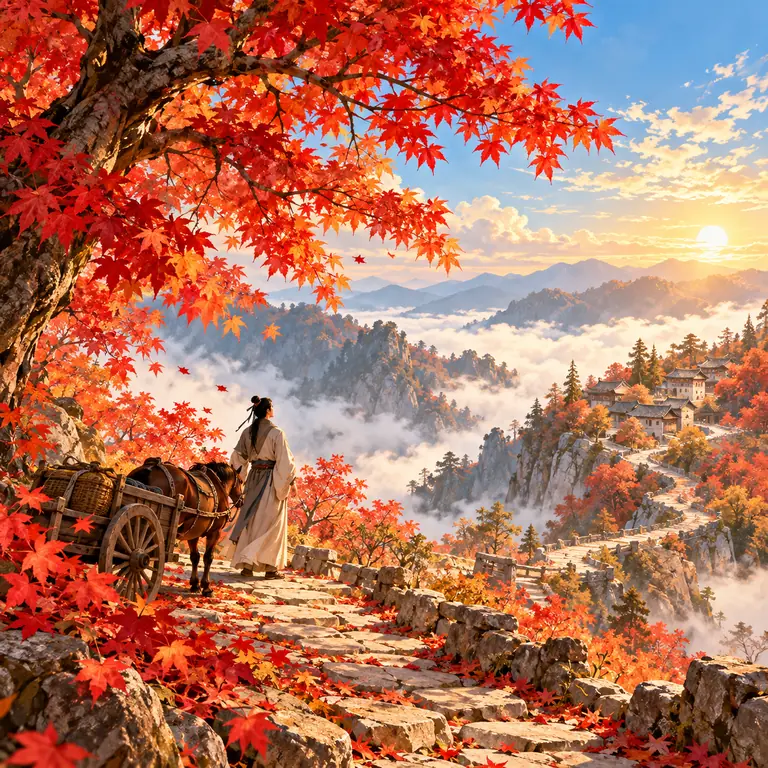
Frost-Touched Maples Reflect the Evening

Ku Wuji · AI Music

Inspired by Du Mu's Mountain Journey. “远上寒山石径斜,白云生处有人家;停车坐爱枫林晚,霜叶红于二月花。” A stone path winds steeply up a chilly mountain; where white clouds rise, there are homes. I stop my carriage for love of the maple woods at dusk; frost-touched leaves are redder than the flowers of the second lunar month. A late-autumn mountain journey: a stone path climbs the chilly mountain, homes stand where white clouds rise, and the carriage stops for the evening beauty of maple woods, whose frost-touched leaves are redder than spring flowers in the second lunar month. Male and female voices sing the same lyrics.

Listen · Read lyrics →
Classical Chinese-style Ballad

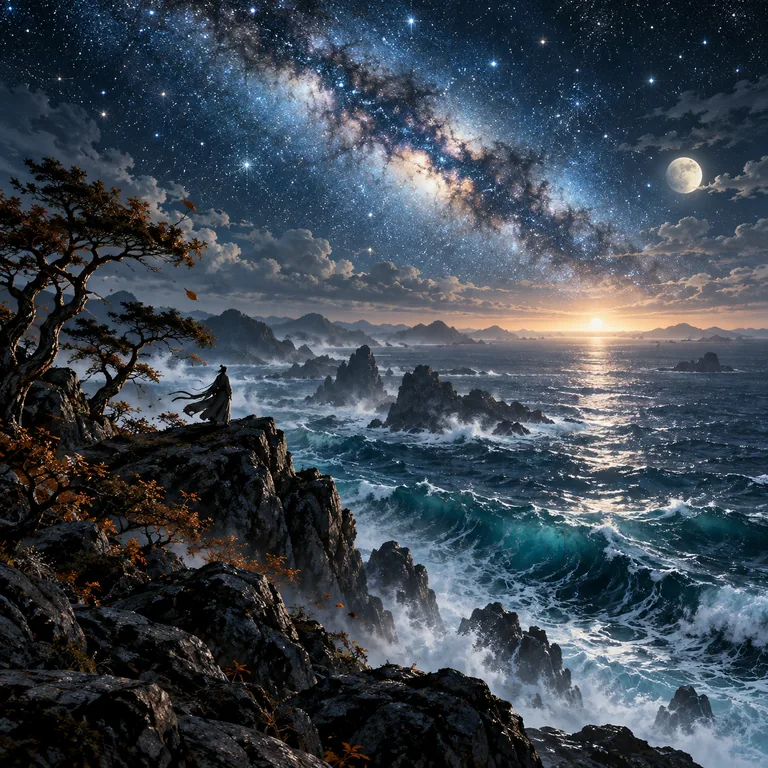
The Starry River Shines

Ku Wuji · AI Music

Drawn from Cao Cao’s “Viewing the Vast Sea.” 东临碣石,以观沧海;水何澹澹,山岛竦峙。秋风萧瑟,洪波涌起;日月之行,若出其中;星汉灿烂,若出其里。幸甚至哉,歌以咏志。 (“Eastward I climb Jieshi to view the vast sea; how its waters ripple, how its mountainous islands tower. The autumn wind sighs, great waves surge; the sun and moon seem to travel from within it; the brilliant Milky Way seems to emerge from its depths. What boundless joy, to sing and give voice to my ambition.”) Returning from an eastern campaign, he climbs Jieshi to gaze upon the sea: rippling waters, towering mountainous islands, and great waves rising in the sighing autumn wind. The sun, moon, and Milky Way seem to enter and emerge from the sea, whose immensity voices his ambition to embrace the world. Male and female voices sing the same lyrics.

Listen · Read lyrics →
Classical Chinese-style Ballad

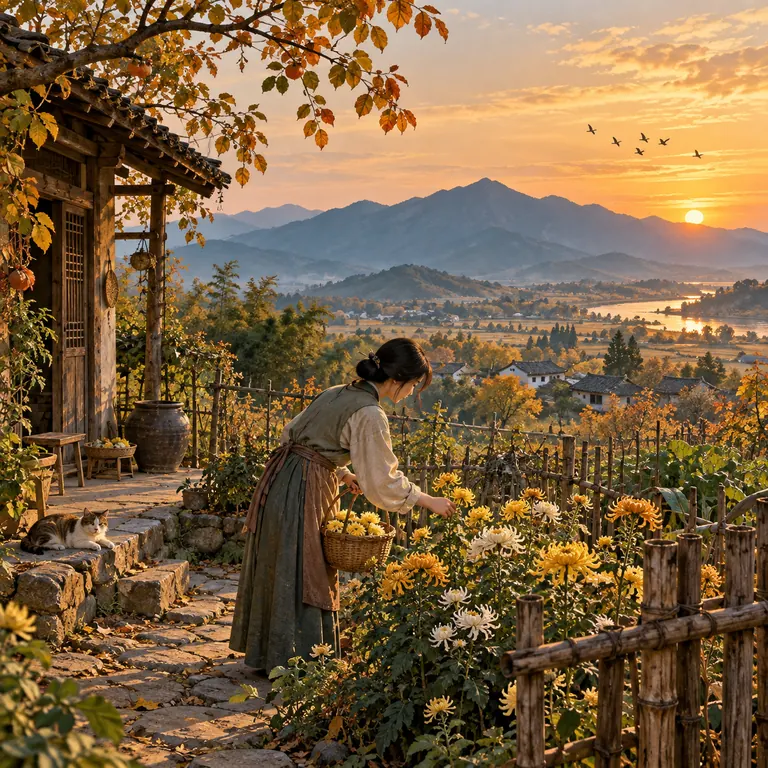
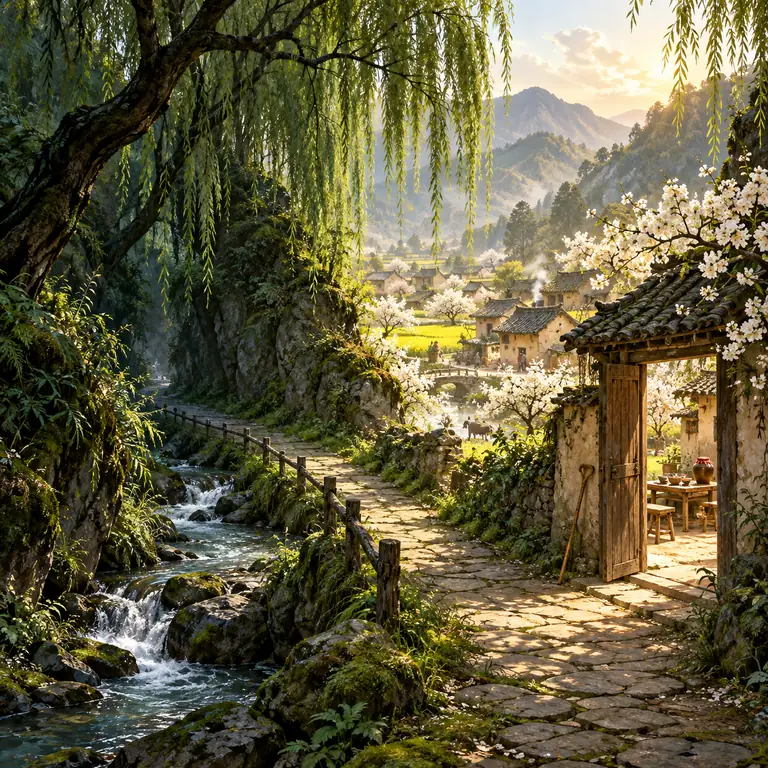
悠然见南山 — At Ease, I Glimpse the Southern Mountain

Ku Wuji · AI Music

Inspired by Tao Yuanming's 《饮酒·其五》 (Drinking Wine, No. 5). 结庐在人境,而无车马喧;问君何能尔?心远地自偏。采菊东篱下,悠然见南山;山气日夕佳,飞鸟相与还。此中有真意,欲辨已忘言。 (I built my hut among people, yet hear no clamor of carriages and horses; how is this possible? With the heart far removed, the place becomes secluded. Picking chrysanthemums beneath the eastern fence, I leisurely glimpse the southern mountain; the mountain air is lovely at dusk, and birds return together. There is true meaning here, but as I try to express it, words are forgotten.) A hut among people yet free of clamor, a secluded place through a distant heart; picking chrysanthemums by the eastern fence and leisurely seeing the mountain, finding true meaning beyond words. Male and female voices sing the same lyrics.

Listen · Read lyrics →
Classical Chinese-style Ballad

Knocking at the Door by Moonlight

Ku Wuji · AI Music

Inspired by Lu You's “A Visit to a Village West of the Mountains.” 莫笑农家腊酒浑,丰年留客足鸡豚;山重水复疑无路,柳暗花明又一村。箫鼓追随春社近,衣冠简朴古风存;从今若许闲乘月,拄杖无时夜叩门。Do not laugh at the farmers' cloudy winter-brewed wine; in a plentiful year, they have chicken and pork enough to entertain guests. Mountains fold and streams wind until there seems no path; beyond shaded willows and bright blossoms, another village appears. Flutes and drums accompany the approaching spring festival of the earth god; simple clothes preserve the customs of old. From now on, if I may wander leisurely by moonlight, I shall come with my staff and knock at your door at any hour of the night. A springtime village visit: though the farmers' winter-brewed wine is cloudy, their affection is sincere; where mountains and waters seem to end, shaded willows and bright blossoms reveal a new way; the spring festival's flutes and drums preserve old customs, and the visitor hopes to return by moonlight, staff in hand, to knock at night. Male and female vocals sing the same lyrics.

Listen · Read lyrics →
Classical Chinese-style Ballad

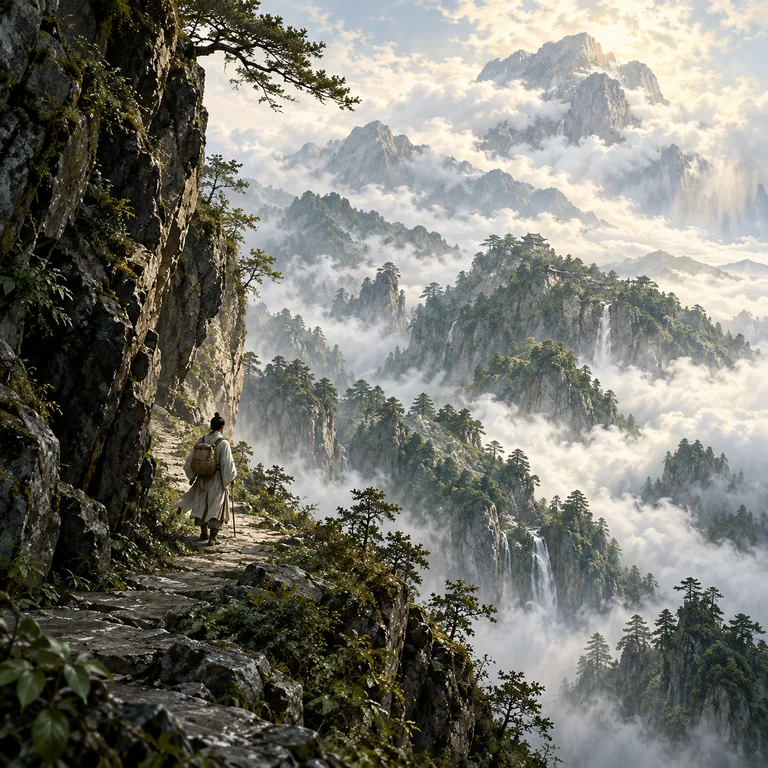
The Myriad Visions of Mount Lu

Ku Wuji · AI Music

Inspired by Su Shi's “题西林壁” (Inscribed on the Wall of West Forest Temple). 横看成岭侧成峰,远近高低各不同;不识庐山真面目,只缘身在此山中。 Viewed broadside, a ridge; from the side, a peak, different from near and far, high and low; I cannot see Mount Lu's true face, only because I am within this mountain. What was seen and understood while touring Mount Lu: broadside it is a ridge, from the side a peak, different from near and far, high and low; one cannot see Mount Lu's true face because one is within the mountain itself. Male and female vocals sing the same lyrics.

Listen · Read lyrics →
Classical Chinese-style Ballad

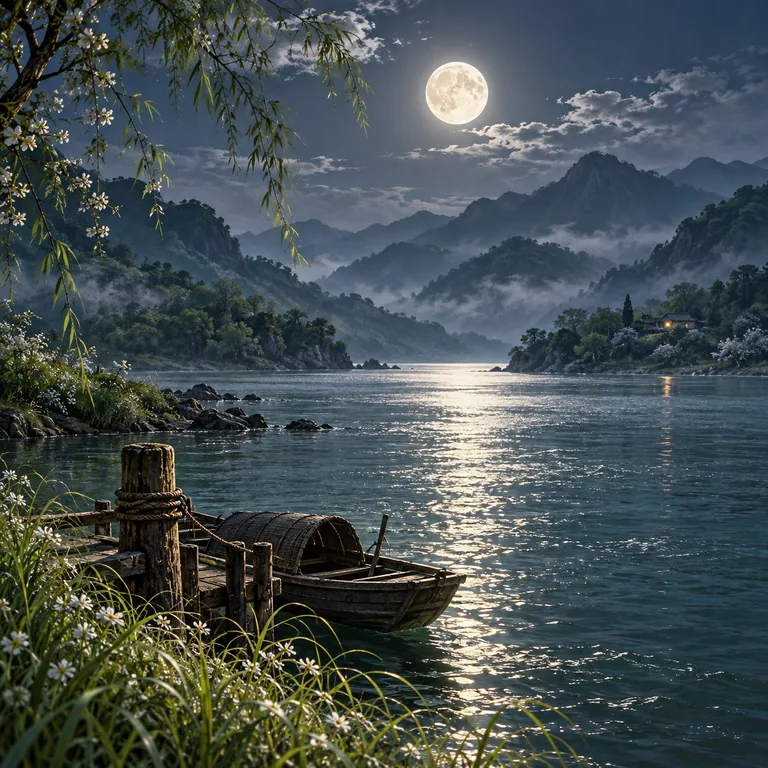
Gazing at the Moon at Guazhou

Ku Wuji · AI Music

Inspired by Wang Anshi's 《泊船瓜洲》 (Mooring at Guazhou). 京口瓜洲一水间,钟山只隔数重山;春风又绿江南岸,明月何时照我还。Jingkou and Guazhou lie a river apart, with only a few mountain ranges separating me from Zhongshan; the spring breeze greens the southern riverbank again—when will the bright moon light my homeward way? The boat is moored at Guazhou: Jingkou is just across the water, Zhongshan only a few mountain ranges away, and the spring breeze has once again turned the southern riverbank green. When will the bright moon shine on my journey home? Male and female vocals sing the same lyrics.

Listen · Read lyrics →

Classical Chinese-style Ballad

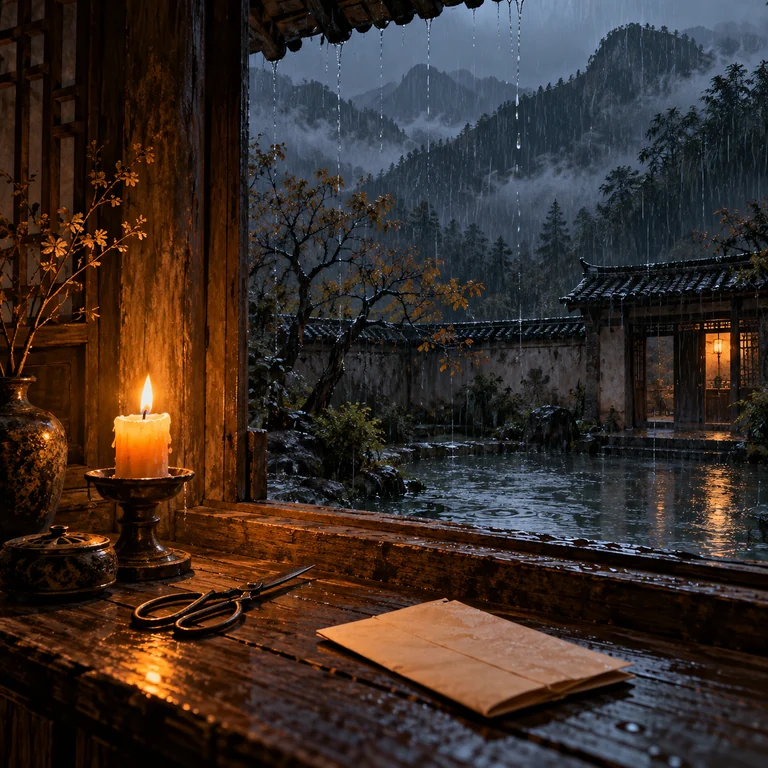
Rainy Conversations in the Ba Mountains

Ku Wuji · AI Music

Inspired by Li Shangyin's “A Night of Rain: Sent North.” 君问归期未有期,巴山夜雨涨秋池;何当共剪西窗烛,却话巴山夜雨时。 You ask when I will return, but no date is set; night rain in the Ba Mountains swells the autumn pool; when shall we trim the candle together by the west window, and speak again of this night of rain in the Ba Mountains. Writing northward amid the night rain in the Ba Mountains: the return date remains uncertain, and the autumn pool has already risen; longing to reunite and trim the candle together by the west window, then look back and smile as we talk of tonight's rain. Male and female voices sing the same lyrics.

Listen · Read lyrics →

Choose your theme

Your theme applies across the site.